

 Executive development
Your next executive may already be on your team.
The right permanent hire takes time to find, and that time does not have to be dead time.

The mentor never does the job.
Your next executive may already be on your team, and one to two years of real executive work will show it.
Executive development is a separate engagement from interim leadership.

An engagement starts with a plan you can read.
The person who knows your institution best is often a senior leader who is technically strong and has never been developed for the executive seat.
-
The standard set first
This is one to two years of real executive work, observed and coached against a standard set before anyone is measured against it.
-
The real executive work observed and coached
The mentor never does the job.
-
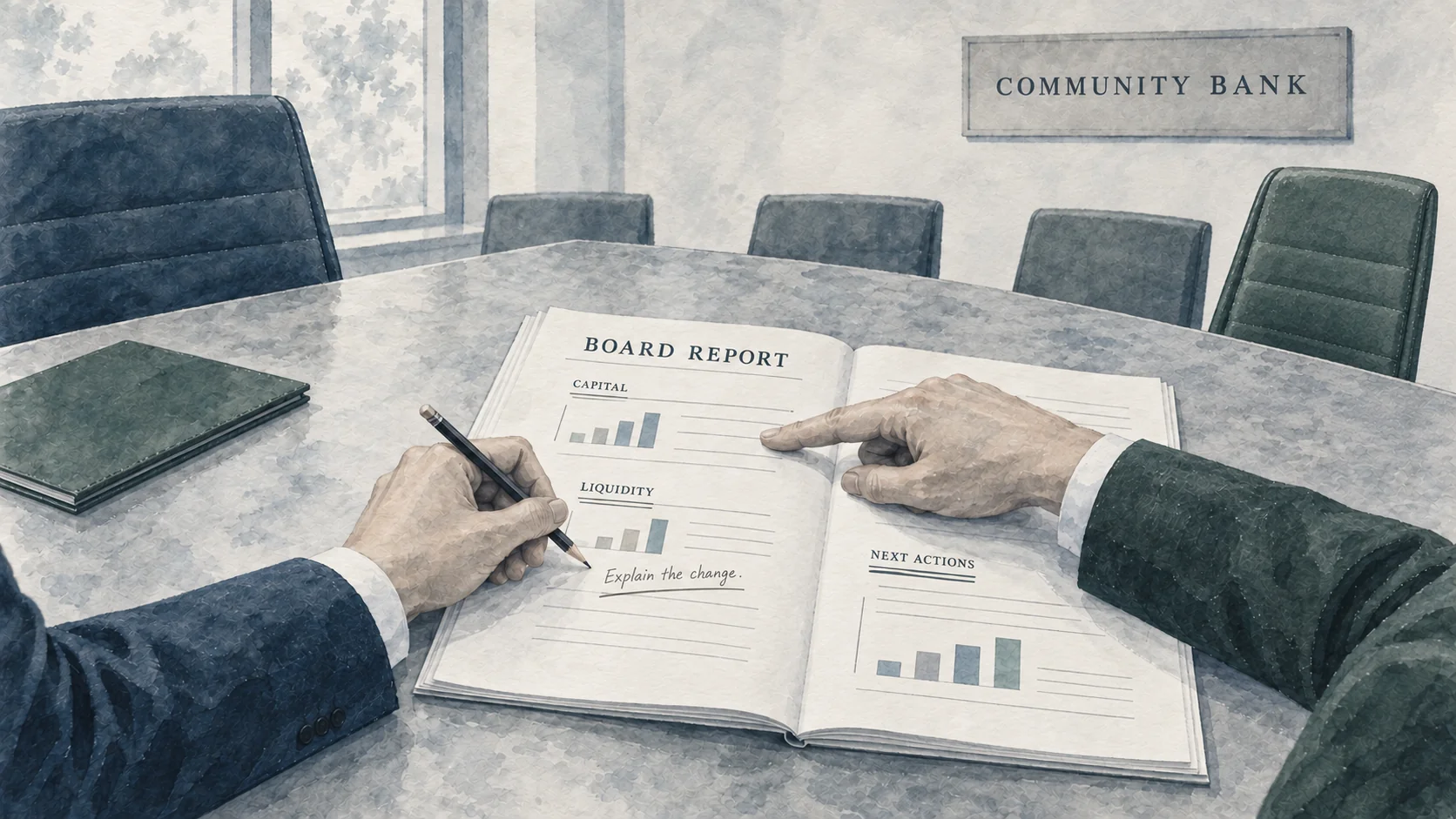
The board packet prepared and answered for
Your leader prepares the board packet, presents it, and answers for it, which is the only way anybody finds out whether they are ready.
You know what you are getting before you sign, and you can check it every week after.
The first conversation commits you or your board to nothing.
If you have a leadership gap, this is someone who can step in, take charge, keep the institution moving and leave you stronger when the permanent executive arrives.